As a hotel owner, finance manager, or travel operations leader, you’re constantly facing immense pressure: bookings are constant, payments flow from multiple channels, and settlements rarely arrive in a neat, predictable pattern. Behind every booking or confirmed itinerary sits a stream of payment events, from authorisations to captures, settlements, refunds, reversals, and chargebacks.
For a modern hotel or Travel Management Company (TMC), this can mean reconciling thousands of payment entries daily, often across different payment methods, currencies, and partners. What may appear to be “just payments” is actually a complex financial ecosystem where even small discrepancies can distort revenue figures, delay reporting, or conceal leakage.
Payment reconciliation is the control mechanism that keeps this complexity from turning into financial uncertainty. Done well, it safeguards revenue, strengthens reporting accuracy, and ensures you have the visibility needed to manage cash flow and make confident operational decisions.
This SeerBit blog post discusses everything reconciliation for the hospitality and travel management industry: why it matters, common reconciliation challenges faced, cost of manual reconciliation, what effective payment reconciliation is, practical benefits, etc.
Why Payment Reconciliation Matters in Hospitality and Travel
Revenue in the hospitality and travel industry doesn’t depend on sales alone. It also depends on how accurately payments are tracked, matched, and verified. Without strong reconciliation processes, even high-performing businesses can struggle with hidden financial gaps. This makes reconciliation very crucial.
High transaction volumes and multiple touchpoints : Hotels and Travel Management Companies (TMCs) operate in environments defined by constant transaction activity. A single property may process payments from direct bookings, OTAs, corporate accounts, travel agents, and walk-in guests, often within the same day. TMCs face even greater complexity, coordinating bookings, cancellations, modifications, and supplier payments across numerous clients and vendors. Each of these touchpoints generates multiple payment events, from initial authorisations to final settlements. Without efficient reconciliation, the sheer volume makes it difficult to maintain an accurate financial picture for the business.
The financial risks of poor reconciliation: When payments are not reconciled properly, discrepancies can quietly accumulate. Missing settlements, duplicate postings, incorrect allocations, or undetected failed transactions can all lead to revenue leakage. These issues rarely appear as dramatic losses; instead, they erode profitability gradually, making them harder to detect but equally damaging. Poor reconciliation also increases exposure to disputes and audit complications, as finance teams lack the clean records required to validate transactions confidently.
Impact on cash flow, reporting, and compliance: Delayed or inconsistent reconciliation directly affects financial visibility. Finance leaders may struggle to determine what revenue has actually settled versus what remains pending. This uncertainty disrupts cash flow planning, complicates forecasting, and delays the month-end close.
Beyond internal reporting, reconciliation accuracy is essential for compliance and audit readiness. In an industry where transactions span multiple systems and partners, clear, verifiable records are fundamental to financial governance.
Common Payment Reconciliation Challenges
Payment reconciliation in hospitality and travel is rarely straightforward. The industry’s reliance on multiple booking sources, varied payment instruments, and dynamic transaction adjustments creates layers of complexity that traditional reconciliation processes struggle to handle efficiently.
Multiple booking channels: Hotels and TMCs typically operate across a fragmented distribution landscape that includes direct booking engines, OTAs, Global Distribution Systems (GDS), corporate travel desks, and third-party agents. Each channel introduces its own payment workflows, reporting formats, commission structures, and remittance schedules.
This fragmentation makes consolidation difficult. Finance teams must align transaction data from disparate systems, often discovering inconsistencies in timing, reference IDs, or fee deductions that complicate accurate matching.
Different payment methods and settlement timelines: Hospitality and travel businesses accept a broad mix of payment methods — cards, bank transfers, virtual cards, wallets, and region-specific options. While this flexibility improves customer experience, it introduces reconciliation challenges because settlement timelines vary significantly.
Card payments may settle within days, bank transfers may follow different clearing cycles, and virtual cards often behave differently depending on issuer rules. Without automated tracking, distinguishing between authorised, captured, and settled funds becomes time-consuming and error-prone.
Partial payments, refunds, and chargeback: Transactions in this sector frequently evolve after the initial payment. Guests modify reservations, trips are rescheduled, cancellations occur, and refunds are issued. Add chargebacks and dispute reversals to the mix, and the original payment trail quickly becomes complex.
Each adjustment must be accurately linked back to the initial transaction. Manual processes often fail to maintain this continuity, increasing the likelihood of mismatches, duplicate reversals, or unresolved exceptions.
Currency conversion and cross-border transactions: International guests and global travel bookings introduce multi-currency pricing and foreign exchange (FX) conversions. Exchange rate fluctuations, cross-border processing fees, and differing settlement currencies can create reconciliation variances even when transaction values appear correct.
Without integrated FX visibility, finance teams may struggle to explain discrepancies between booking values, settlement amounts, and bank deposits — particularly when multiple intermediaries are involved.
The Cost of Manual Reconciliation
Time-consuming processes: Manual reconciliation demands significant effort from finance and accounting teams. Transactions must be pulled from multiple sources, such as payment gateways, booking platforms, bank statements, etc., and then compared line by line. In high-volume hospitality and travel environments, this repetitive matching process consumes valuable hours that could otherwise be spent on analysis, forecasting, or strategic financial planning.
Increased human error: Where reconciliation relies heavily on spreadsheets and manual checks, the risk of mistakes rises sharply. Duplicate entries, missed transactions, incorrect allocations, or formula errors can easily slip through. These errors not only distort financial records but often trigger additional investigation cycles, compounding inefficiencies and creating avoidable operational stress.
Delayed financial close: Manual workflows slow the pace of month-end and period-end closing activities. When discrepancies require prolonged validation, reporting timelines shift, delaying revenue recognition and management insights. This lag affects budgeting, performance reviews, and executive decision-making, particularly in businesses that depend on timely financial data.
Reduced visibility into actual revenue: Without automation, finance leaders struggle to maintain a clear, real-time picture of settled versus pending funds. Payments may be received but not yet reflected accurately across systems, creating uncertainty around cash flow and true revenue positions. This lack of visibility increases financial risk and limits an organisation’s ability to respond quickly to trends or anomalies.
What Effective Payment Reconciliation Looks Like
Effective payment reconciliation ensures that every transaction — from initial authorisation to final settlement — is accurately tracked, matched, and verified. It replaces uncertainty and manual guesswork with structured, reliable financial visibility.
Automated matching of transactions and settlements: At the core of effective reconciliation is automation. Modern systems automatically align payment events such as authorisations, captures, settlements, refunds, and chargebacks without requiring constant manual intervention. This reduces the risk of mismatches, eliminates repetitive spreadsheet work, and allows finance teams to focus on managing exceptions rather than processing entire datasets.
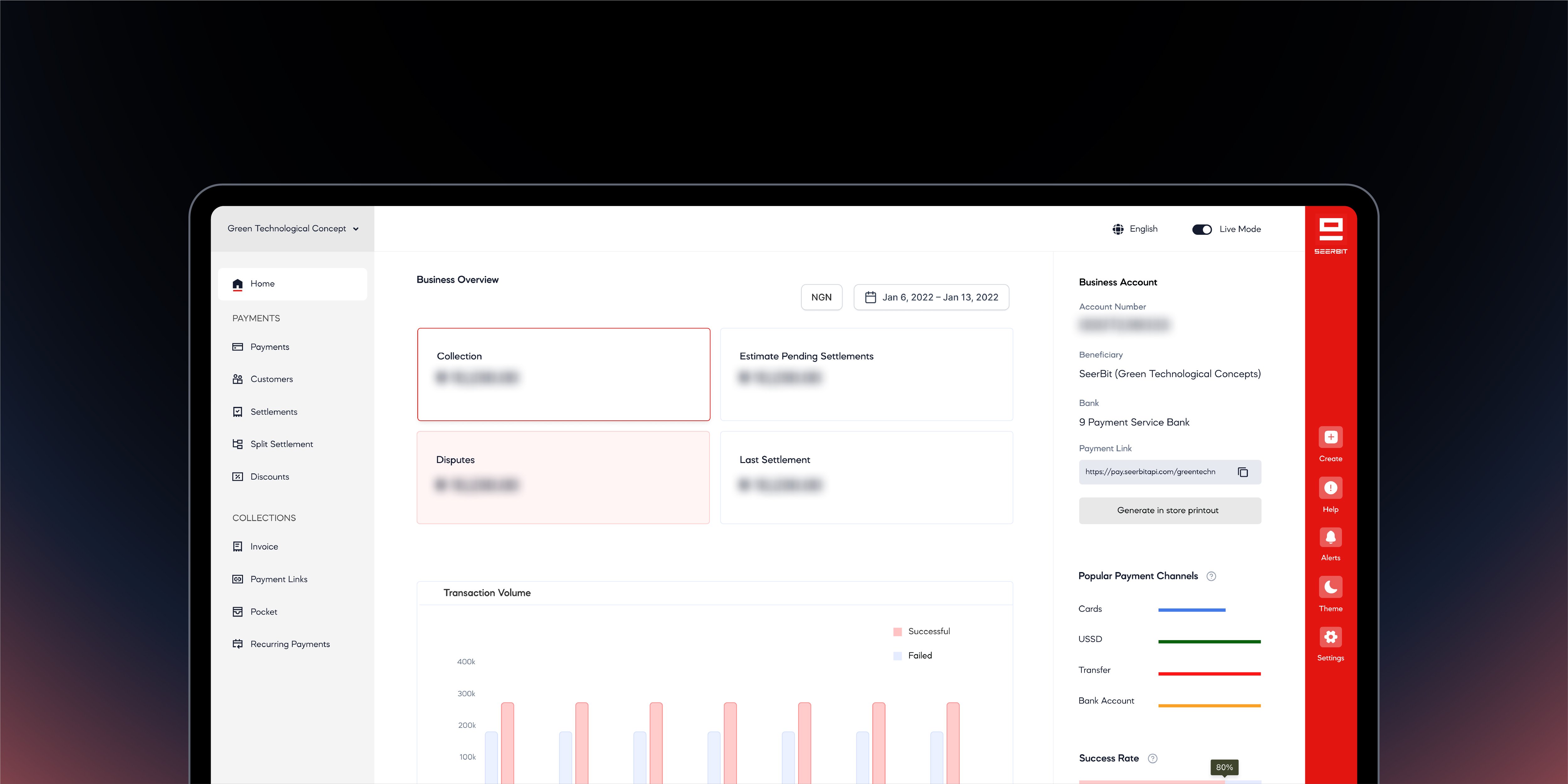
Real-time reporting and dashboards: Timely visibility is essential in high-transaction environments. Real-time dashboards provide instant insight into payment statuses, settled funds, pending transactions, and anomalies. Instead of waiting for end-of-day or end-of-month reports, finance and operations leaders can monitor performance continuously and respond quickly to discrepancies or cash flow concerns.
Clear audit trails: Effective reconciliation systems maintain detailed, traceable records of every transaction and adjustment. Each payment event is timestamped, categorised, and linked to its corresponding booking or invoice. These audit trails simplify compliance, strengthen internal controls, and make it easier to resolve disputes, validate settlements, and support financial audits.
Faster month-end close: When reconciliation processes are automated and centralised, financial close cycles become significantly shorter. Transactions are already matched, discrepancies are flagged early, and reporting data remains continuously updated. This enables finance teams to close books faster, improve reporting accuracy, and deliver timely insights to leadership.
How Modern Payment Infrastructure Simplifies Reconciliation
Modern payment infrastructure transforms reconciliation from a reactive, manual task into a streamlined, intelligent process. By integrating payment flows, data, and reporting, businesses gain accuracy, speed, and financial clarity.
Unified view of payments across channels: A modern payment system consolidates transactions from multiple booking and sales channels into a single interface. Whether payments originate from direct bookings, OTAs, agents, or corporate clients, finance teams can monitor activity without switching between fragmented systems. This unified visibility reduces confusion, simplifies tracking, and ensures that settlements, fees, and adjustments are easier to reconcile.
Automated reconciliation tools: Built-in automation capabilities match transactions with settlements in real time, identifying discrepancies and exceptions instantly. Instead of manually comparing reports, finance teams can rely on systems that flag mismatches, failed payments, or timing differences automatically. This dramatically lowers error rates while accelerating reconciliation cycles.
Centralised reporting and data access: Modern infrastructure provides a single source of truth for payment data. Finance, accounting, and operations teams access consistent, up-to-date records without relying on multiple spreadsheets or disconnected exports. Centralised reporting improves collaboration, strengthens financial governance, and enables faster, more confident decision-making.
Reduced dependency on spreadsheets: While spreadsheets remain useful for analysis, they are no longer the backbone of reconciliation. Automated systems minimise manual data handling, version control issues, and formula errors. This shift reduces operational risk, improves efficiency, and allows teams to move from data processing to financial insight generation.
Practical Benefits for Hospitality and TMCs
When payment reconciliation is powered by modern, integrated infrastructure, the impact extends far beyond accounting efficiency. It directly strengthens financial performance, operational agility, and revenue protection.
Improved cash flow management: Accurate, real-time reconciliation provides clear visibility into settled and pending funds. Finance teams can monitor liquidity with confidence, anticipate shortfalls, and manage working capital more effectively. This level of clarity is particularly critical in hospitality and travel, where payment timing, cancellations, and refunds constantly influence cash positions.
Faster dispute resolution: With structured transaction records and detailed payment histories, investigating discrepancies becomes significantly easier. Chargebacks, refund disputes, and settlement queries can be resolved quickly because every payment event is traceable. This reduces revenue recovery time, minimises friction with partners, and protects customer relationships.
Better forecasting and revenue planning: Reliable reconciliation data improves the accuracy of financial projections. Leadership teams can model revenue trends, identify anomalies, and plan budgets using dependable settlement figures rather than estimates. Better data quality leads to stronger strategic decisions across pricing, inventory management, and expansion planning.
Stronger financial controls: Automated reconciliation reduces the likelihood of undetected errors, duplicate postings, or revenue leakage. Built-in validation mechanisms and audit trails reinforce governance, compliance, and fraud prevention. Over time, this strengthens organisational confidence in financial reporting and reduces operational risk exposure.
Key Takeaway for Hospitality and Travel Businesses
Payment reconciliation should never be viewed as merely an accounting obligation. In high-volume hospitality and travel environments, it is fundamentally a revenue protection strategy — one that safeguards financial accuracy, strengthens cash flow visibility, and prevents costly leakage. Businesses that continue to rely on fragmented systems and manual processes, risk operating with blind spots that quietly erode profitability.
Investing in the right payment infrastructure is therefore not just a technology upgrade; it is a long-term operational decision. With automated reconciliation, unified reporting, and real-time visibility, hotels and Travel Management Companies can reduce inefficiencies, accelerate financial close cycles, and build stronger financial control frameworks that support sustainable growth.
Explore smarter payment infrastructure for hospitality and travel businesses